
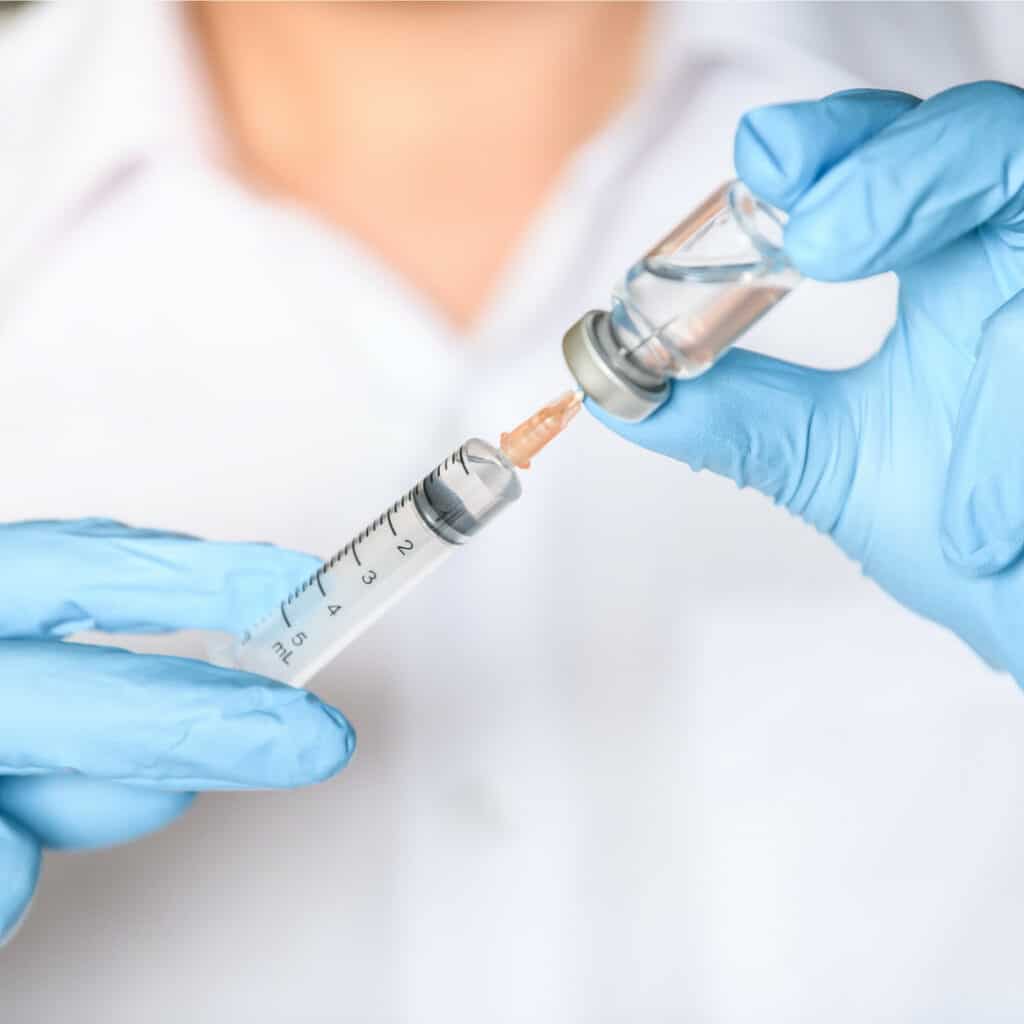
Vitamine D Injections
$25
Vitamin D deficiency is one of the most common and consequential nutritional shortfalls in modern life. Vitamin D functions less like a vitamin and more like a hormone, with receptors found in virtually every cell. It plays a foundational role in immune function, mood regulation, muscle strength, cardiovascular health, hormonal balance, inflammation control, and cognitive function. When levels are low, the effects can be wide-ranging and often misattributed to other causes.
Why Injections
Intramuscular injections bypass the digestive system and deliver one hundred percent of vitamin D directly into the bloodstream. It is far more effective than oral supplements for patients who are significantly deficient or who have any issue with nutrient absorption.
Signs of Deficiency
Persistent fatigue and low energy, frequent illness, bone and muscle pain or weakness, low mood and depression, brain fog, slow wound healing, hair thinning, and a general sense of not feeling well. Many patients are genuinely surprised by how much better they feel once their levels are restored to an optimal range.
Who Benefits Most
People who spend most of their time indoors, live at northern latitudes, have darker skin tones, are over 50, are overweight or obese, or have inflammatory or irritable bowel disease.
Treatment & Monitoring
Dosing and frequency are based on a simple blood test. Patients with significant deficiency often start with a loading protocol, followed by a maintenance schedule. Ongoing bloodwork is the most reliable way to ensure levels stay within the optimized range.
Complementary to Aesthetic Treatments
Vitamin D’s role in skin health, immune function, and inflammation makes it a natural complement to aesthetic procedures. Optimal levels support wound healing, reduce inflammatory skin conditions, and contribute to recovery after microneedling, laser resurfacing, and chemical peels.